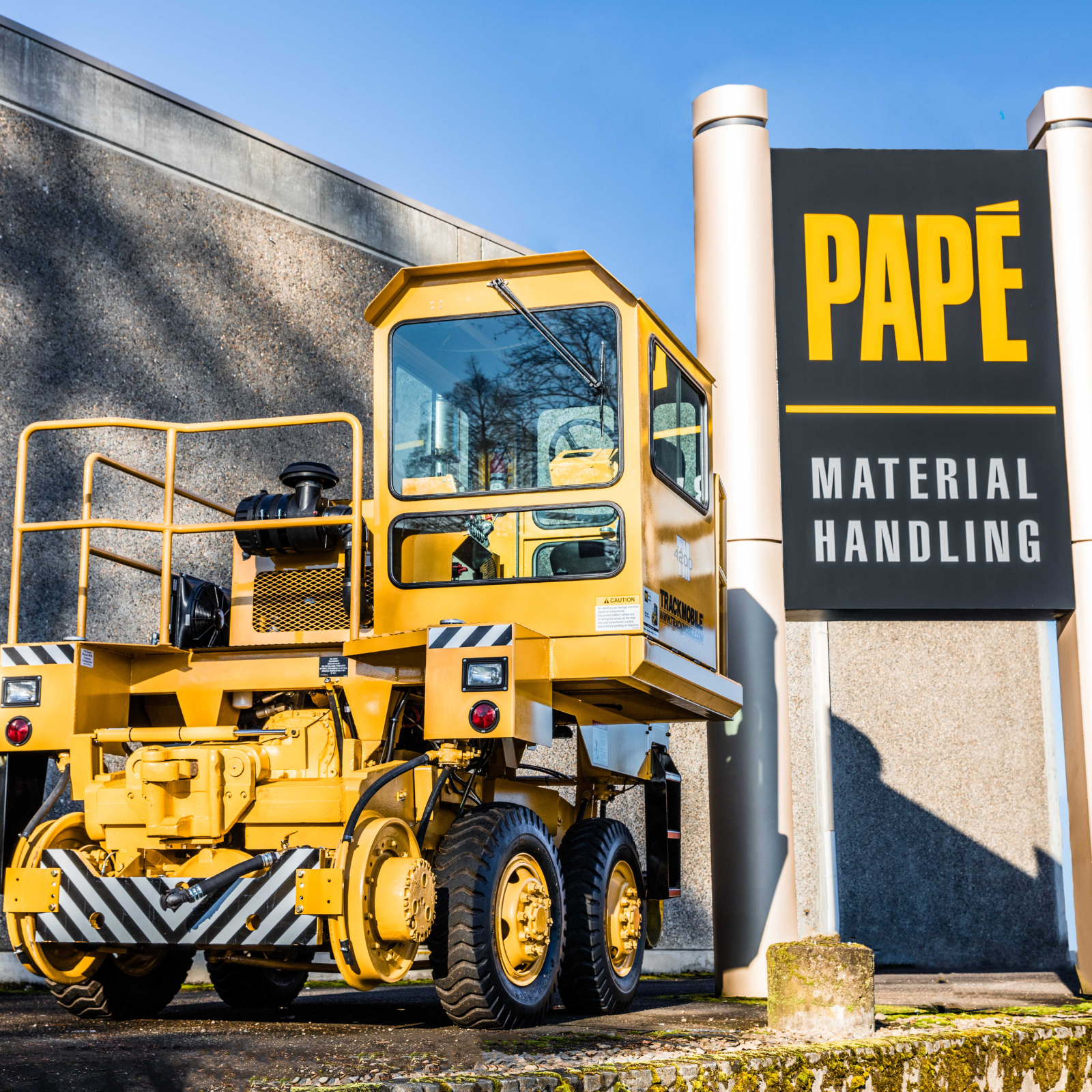
For industrial facilities across North America, efficient rail operations play a critical role in productivity, safety, and profitability. Yet many operations still rely on traditional rail switching methods such as third-party railroads or full-scale locomotives that can be expensive, inflexible, and difficult to schedule.
Mobile railcar movers offer a practical alternative. The key is choosing the right one for your operation. Understanding how railcar movers work, what benefits they deliver, and which features matter most will help you select a solution that fits your facility today while supporting future growth.
That’s where Papé Material Handling comes in. With a broad selection of proven railcar movers from manufacturers like Trackmobile, BOSS, and Zephir, Papé helps operators match the right equipment to their specific rail-handling needs.
What Is a Mobile Railcar Mover?
A mobile railcar mover is a self-propelled vehicle designed to move, position, and spot railcars without the need for a traditional locomotive. Unlike locomotives built for long-haul freight, railcar movers are optimized for short-distance, on-site switching, making them ideal for industrial yards, docks, spurs, and manufacturing facilities.
Most railcar movers are bi-modal road-rail vehicles, meaning they can travel on pavement and then climb onto rails to engage railcars. This flexibility allows facilities to move cars precisely where and when they are needed without relying on outside rail services. This versatility is a critical factor when evaluating options, especially in tight or congested environments.
How Mobile Railcar Movers Work and What to Look For
Railcar movers combine diesel or electric drivetrains with rail gear systems and couplers that securely connect to freight cars. Once engaged, operators can push or pull loaded railcars with controlled, low-speed precision.
Compared to locomotives, railcar movers are purpose-built for confined environments where control, visibility, and maneuverability matter most. Proper operator training further enhances performance and safety, even in challenging weather or yard conditions.
Key considerations when choosing a railcar mover include required tractive effort, available space, switching frequency, and power source preferences.
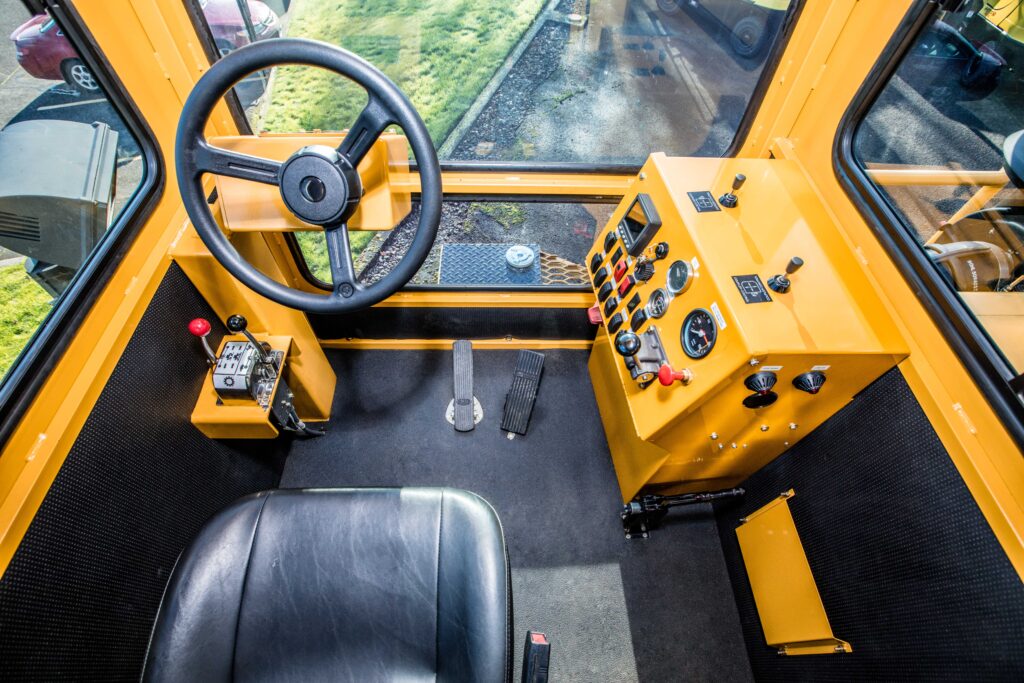
Key Factors to Consider When Choosing a Mobile Railcar Mover
Operational Control and Scheduling Needs
Owning or renting a railcar mover allows teams to control switching schedules internally, which is especially valuable for operations with fluctuating throughput or time-sensitive movements.
Cost Structure and Long-Term Savings
Third-party switching fees, demurrage, and delays add up quickly. Railcar movers bring switching in-house, reducing recurring costs and improving budget predictability.
Yard Layout and Space Constraints
Railcar movers excel in tight spaces where precision is essential, making them well suited for industrial spurs, docks, and confined yards.
Safety Requirements
Low-speed operation and controlled movements improve overall jobsite safety. Visibility, operator controls, and training programs should factor into the decision.
Application Versatility
Selecting the right capacity and configuration ensures long-term usability across industries such as grain, lumber, chemicals, and heavy industrial freight.
Choosing the Right Railcar Mover with Papé Material Handling
Papé Material Handling offers a full lineup of mobile railcar movers designed to meet a wide range of operational requirements, with both diesel and electric options available.
Trackmobile Railcar Movers
Trackmobile railcar movers are trusted for efficient short-distance switching in industrial yards, ports, and manufacturing facilities. Known for rugged construction and intuitive controls, they deliver strong tractive effort and maneuverability in confined spaces, supported by Papé’s sales, rental, parts, and service network.
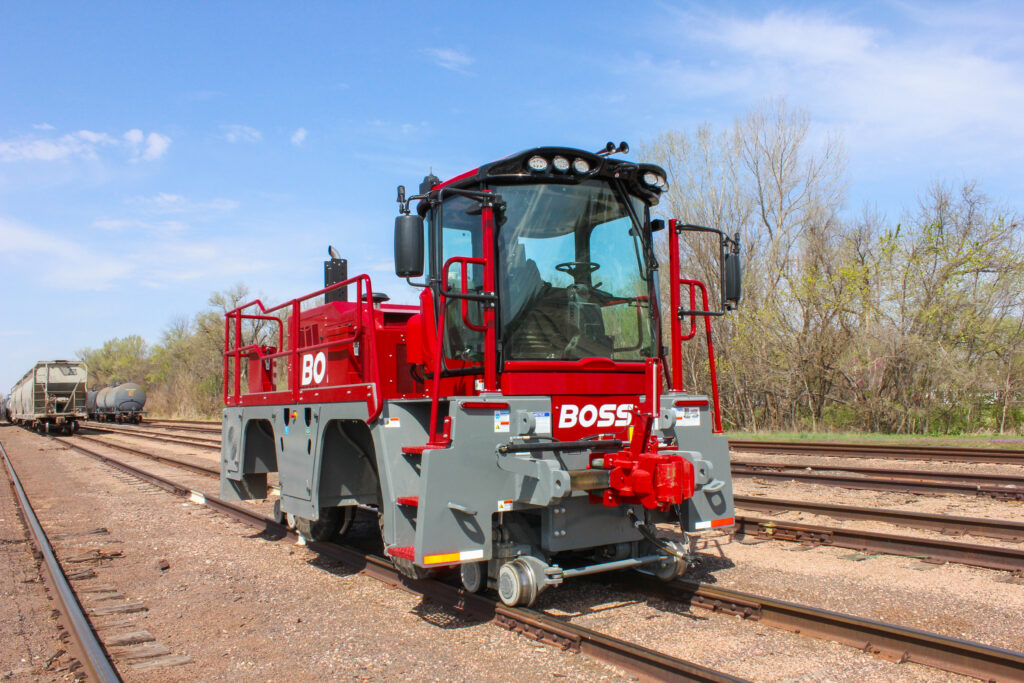
BOSS Mobile Railcar Movers
BOSS railcar movers are built for demanding environments where reliability and pulling power are essential. Options include the MX Series for up to 25 loaded railcars, the MX7 Series for higher-demand applications, the ZX Series for maximum stability, and the LX Series and LX7 Series for high-use rail yards. Features such as planetary axles, independent rail gear, and high tractive effort ratings support challenging switching tasks.
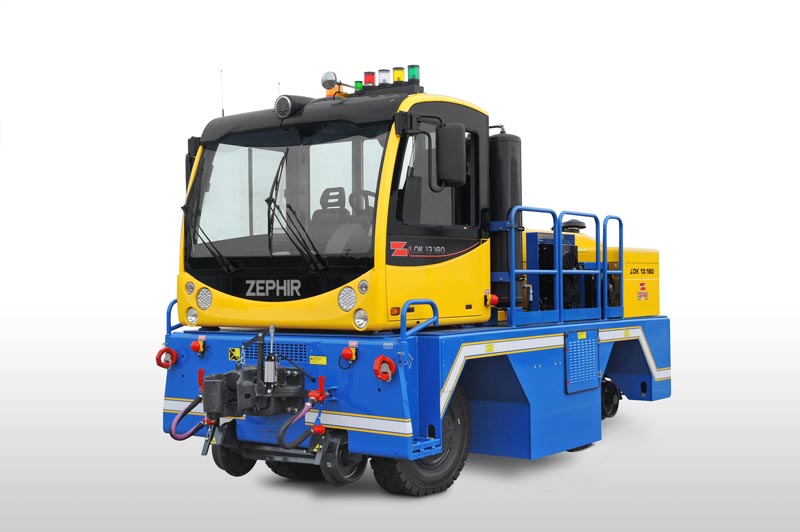
Zephir Electric Railcar Movers
Zephir electric railcar movers, including the LOK Series, support emissions reduction and lower operating costs. Benefits include zero local
emissions, reduced noise, lower maintenance, and improved work environments. They are especially well suited for indoor operations and facilities with sustainability goals.
Final Thoughts: Making the Right Railcar Mover Investment
Choosing the right mobile railcar mover starts with understanding your operation, including space, load requirements, scheduling needs, and long-term goals. When matched correctly, a railcar mover becomes a strategic asset that improves efficiency, reduces costs, and enhances safety.
With Papé Material Handling’s broad selection of Trackmobile, BOSS, and Zephir railcar movers, industrial operators can find solutions tailored to their needs and keep rail operations moving forward with confidence.