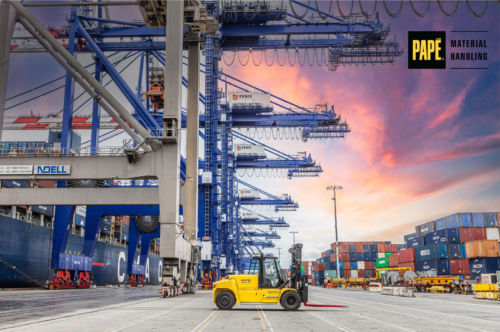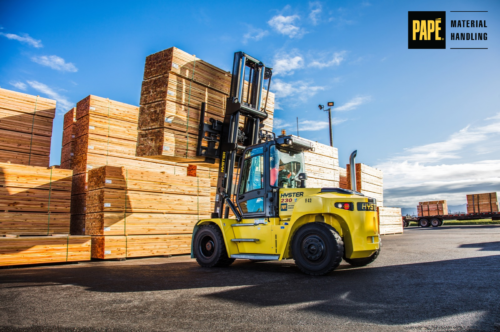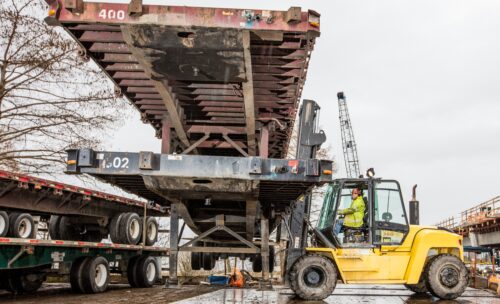
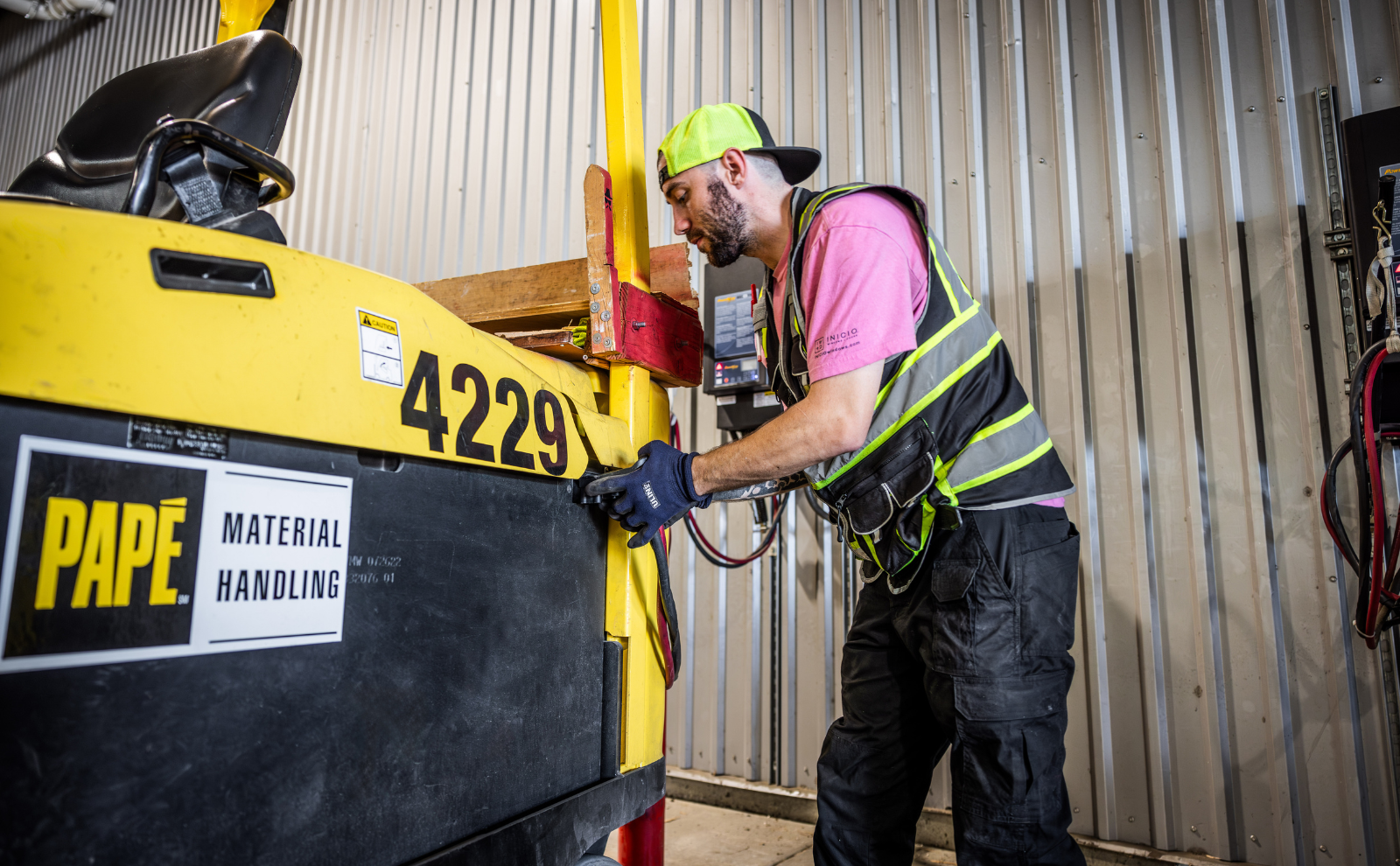
For years, some teams thought of electric forklifts as a fit for light-duty indoor work only. Today’s battery-powered lift trucks tell a very different story. Modern electric forklifts offer longer run times, strong lifting performance, fast charging, smooth operation, and lower maintenance requirements—all while helping reduce interruptions throughout the workday. With advanced lithium-ion options, efficient chargers, and a growing range of Hyster and Yale electric forklift models, electric power has become a practical solution for more applications than ever before.
Uptime Starts With the Right Power Strategy
Uptime affects labor schedules, dock flow, order fulfillment, production timing, and customer expectations, so a battery that requires a long charge cycle can disrupt a shift. A fleet that depends on battery changes, fuel stops, or maintenance-heavy power systems can lose productive time in small increments that add up fast. Common downtime drivers include:
- Long refueling or charging windows
- Battery swaps during busy shifts
- Poor charger placement
- Routine battery maintenance
- Unexpected service needs
- Equipment that does not match the application
- Limited planning for peak operating periods
Modern electric forklifts help address many of these challenges by pairing efficient lift truck design with smart battery and charging solutions.
Electric Forklifts Have Come a Long Way
Today’s electric forklift lineup includes everything from compact pallet jacks and reach trucks to three-wheel models, four-wheel counterbalanced trucks, pneumatic- and cushion-tire forklifts, and even high-capacity electric lift trucks.
Modern electric forklifts can also support work environments where air quality, noise, and operator comfort matter. With zero exhaust emissions during operation, smooth acceleration, and quieter performance, electric trucks can be a strong fit for enclosed facilities, food handling operations, retail distribution, and mixed-use warehouses.
Longer Battery Life Means Fewer Interruptions
The full-charge advantage starts with performance. Traditional lead-acid batteries remain useful in many applications, but they often require more maintenance, cooling time, watering, and space. Lead-acid fleets may require multiple batteries per truck, battery handling equipment, and dedicated charging rooms. Lithium-ion forklift batteries can simplify that process.
In many applications, lithium power helps reduce or eliminate battery swaps. Crews can charge faster, return to work sooner, and spend less time managing the battery itself. Lithium-ion systems are also designed to maintain steady performance throughout the charge cycle, giving operators dependable power across the shift.
Opportunity Charging Keeps Work Moving
Opportunity charging is one of the biggest uptime advantages of modern electric forklift fleets. Instead of waiting for a battery to drain before starting a full charge cycle, operators can plug in during natural pauses in the day. These short charging windows help top off the battery without removing it from the truck. This approach helps charging become part of the workflow. The forklift can return to service quickly, and managers can plan charging around real work patterns rather than forcing the workday around the battery.
Less Battery Maintenance, More Productive Time
Lead-acid battery care can include watering, equalizing, cleaning, cooling, inspections, and safe handling. Those steps are important, but they also pull equipment and people away from work. Modern lithium-ion battery systems reduce many of those maintenance demands.
Electric forklifts still need proper daily inspections and scheduled service. Operators should continue checking tires, forks, brakes, hydraulics, fluids where applicable, safety systems, and overall truck condition. The advantage is that modern power solutions can reduce many of the battery-related steps that once slowed electric fleets down.
Strong Lift Power Without Exhaust
High-capacity lithium-ion models have also expanded what electric power can do. Some electric lift trucks now support heavy-duty applications that were once commonly associated with internal combustion equipment. For teams exploring a cleaner power source, that opens the door to new fleet possibilities.
Electric power also supports a better work environment. Quieter operation can improve communication around the facility, and zero exhaust emissions during operation can support indoor air quality goals.
Cold Storage Needs the Right Battery Solution
Cold storage is one of the clearest examples of why battery selection matters. Low temperatures can challenge many power systems, and downtime in refrigerated or frozen environments can create serious workflow issues.
Many lithium-ion battery systems are available with features designed for cold-storage applications that can help keep trucks moving in food distribution, frozen storage, produce handling, refrigerated warehouses, and temperature-controlled facilities. The right battery and charger setup can help crews maintain productivity while working in conditions that place added stress on equipment.
Charger Placement Can Make or Break Uptime
Charger capacity, location, power availability, and traffic flow affect how an electric fleet performs. Before adding electric forklifts, consider these questions:
- How many shifts does each forklift run?
- Where do operators naturally stop during the day?
- What are the heaviest load requirements?
- Are trucks used indoors, outdoors, or in both areas?
- How much space is currently used for batteries, fuel, or maintenance?
- Are noise, emissions, or indoor air quality priorities?
- Do any areas require cold-storage-ready power?
Keep Your Fleet Charged and Ready
Modern electric forklifts are built for more than basic warehouse work. With longer run times, lithium-ion battery options, fast charging, opportunity charging, strong lift performance, and reduced maintenance demands, today’s battery-powered forklifts can help operations maximize uptime and reduce daily interruptions.
Whether you’re expanding your electric fleet or exploring battery-powered equipment for the first time, your local Papé Material Handling team can help you evaluate forklifts, lithium-ion battery systems, chargers, and motive power solutions that support your operation and maximize uptime.