So, you’re planning to relocate your distribution center, and you hope to better optimize warehouse space, equipment usage, and employee productivity at your new location. That sounds great, but you may be asking yourself, “Where do I even start this process?”
First, you’ll want to focus on the pros and cons of your current processes, the logistics of the move itself, and how that fits into your warehouse migration plan for the new space. To help you take on those steps and make sure your move goes smoothly, check out our warehouse moving checklist below.
Warehouse Moving Checklist
These are just a few of the core questions to keep in mind to help you put together your own warehouse moving checklist:
-
- Evaluate & Quantify – How does your current space work?
- Look Ahead – What systems and design elements should you keep or change?
- Coordinate & Execute – How should you communicate with your team and finalize the details?
Now let’s get into the specifics of how to put this checklist into actionable steps.
Step 1: Evaluate & Quantify
Evaluate Your Current Process
Before you move, begin your warehouse optimization plan by recognizing what is – and isn’t – working with your current space. Does your departmental organization make the most sense? Is your storage racking maximizing productivity, or can you make tweaks in shelving layout? Ask your operators about inefficient “problem” areas to uncover potential pain points you may not have been aware of. By addressing them now, you should be able to avoid similar problems as you move.
Quantify Your Inventory
Make sure to conduct a thorough inventory count before moving. Make a note of inventory that can be grouped during and after your move to streamline your picking process. It’s also a great opportunity to get rid of outdated inventory to avoid moving items you don’t need. Lastly, have an inventory strategy in mind to reduce your picking error rate once you move into your new space. Pre-move inventory management can help cut unnecessary costs on labor, eliminate dead inventory, and plan for the layout of your next warehouse.
Step 2: Look Ahead
Know Your New Space
Now that you have reviewed and improved your current distribution center, you can apply your efficient processes to the new space. Design a detailed layout that maximizes your new space and reduces worker fatigue during your move. Know where products fit, how they will be labeled, and which picking systems will save the most time in the long-run. Prior to moving your smaller inventory, install innovative warehouse solutions, like mezzanines, robotics, and storage carousels, so you’re set up for success from day one.

Step 3: Coordinate & Execute
Coordinate Your Equipment – And Your Team
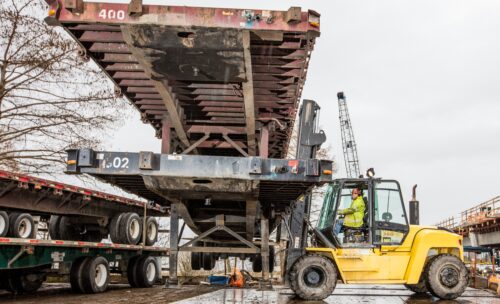
Create a list of necessary moving equipment, from forklifts to smaller details, like product tags and moving blankets. If you’re asking employees to take on additional responsibilities during the move, make sure to provide an accessible breakdown of relevant moving times and employee duties. Depending on the size shift of your production, think about hiring temp workers to account for scale adjustments.
Be Familiar with the Details
Double-check the regulations and codes of your new building to ensure you meet expectations. You’ll also want to plan the timing of your utility transfers –switch your electricity, water, and internet services, as well as change your address and update suppliers and local listings.
Now that you have a basic checklist that will help you implement a successful warehouse move, it’s time to spring into action. Analyze the pros and cons of your current warehouse layout, make a plan based on your findings, and pay attention to the details.
Let Us Help You
Preparing for your own move, but still not sure where to start with your new space? Want help designing an innovative layout to maximize efficiency? Need to rent equipment for your heavier loads? We can help with that. Contact your nearest Papé Material Handling location today for a comprehensive consultation before your warehouse move.