Forklifts, classified by OSHA as powered industrial trucks, are essential to modern supply chains. From warehousing and manufacturing to retail distribution, these machines keep goods moving efficiently and operations running on schedule. With that productivity comes responsibility. Safe forklift operation is not just about meeting OSHA forklift requirements, it’s about protecting your workforce, minimizing downtime, and keeping your operation moving without disruption.
With National Safety Awareness Month each June, it serves as a timely reminder that forklift compliance isn’t a once-a-year initiative. It’s a year-round commitment that directly impacts operational performance. OSHA standard 1910.178 outlines the design, maintenance, and operation requirements for powered industrial trucks, but compliance alone isn’t enough.
For warehouse and logistics decision makers, staying ahead of forklift operator training, certification, and safety protocols is critical. From pre-shift inspections to hazard assessments, every step plays a role in preventing incidents and maintaining productivity.
This guide outlines what OSHA expects—and how you can apply those standards in a practical way across your operation.
The Current State of Forklift Safety in Industry
Across U.S. workplaces, approximately 614,900 powered industrial trucks are in operation, contributing to nearly 100 fatalities and 24,500 injuries each year.* These forklift accident statistics highlight a clear reality: even with established OSHA forklift requirements, risk remains high when compliance and training are inconsistent.
For operations leaders, the impact of forklift incidents extends beyond immediate injury. Direct costs like OSHA fines, workers’ compensation claims, and equipment repairs can quickly add up. But indirect costs often have a greater impact, including downtime, missed shipments, reduced morale, and higher turnover. In competitive logistics environments, these disruptions can ripple across the entire supply chain.
Operations that prioritize safety see measurable benefits. A strong workplace safety culture improves communication, reduces errors, and helps retain skilled operators. It also keeps your fleet running efficiently and your team focused on productivity.
Investing in forklift training and compliance isn’t just about avoiding penalties, it’s about building a more organized operation.
Understanding OSHA’s Forklift Requirements
OSHA standard 1910.178 sets the baseline for safe forklift operation across industries. It applies anywhere powered industrial trucks are used and focuses on three key areas: operator competency, equipment condition, and safe operating environments.
Operator Training and Certification
All forklift operators must complete formal training before operating equipment. This includes classroom instruction, practical demonstrations, and a performance evaluation. Operators must also undergo refresher training at least every three years—or sooner if triggered by incidents, near-misses, unsafe behavior, or equipment changes.
Operator Qualifications
Operators must be at least 18 years old and able to safely operate equipment. This includes physical capability, situational awareness, and the ability to understand safety procedures.
Equipment Inspection and Maintenance
Daily pre-operation inspections are mandatory to ensure brakes, tires, hydraulics, and safety devices are functioning properly. Preventative maintenance should follow manufacturer recommendations to ensure long-term reliability.
Workplace Hazard Assessments
Employers are responsible for evaluating the workplace conditions to ensure a safe environment. This includes inspecting floor surfaces, aisle widths, outdoor terrain, and pedestrian traffic. These assessments should guide how forklifts are used in your operation.
Record-Keeping and Documentation
Documentation is a critical component of forklift compliance. This includes operator certification records, inspection logs, maintenance reports, and incident investigations. Clear records not only support OSHA compliance—they help identify trends and improve performance over time.
Essential Components of a Forklift Safety Checklist
A comprehensive forklift safety checklist is one of the most effective tools for maintaining compliance and preventing incidents. It ensures consistency across operators, shifts, and facilities.
Pre-Operation Inspections
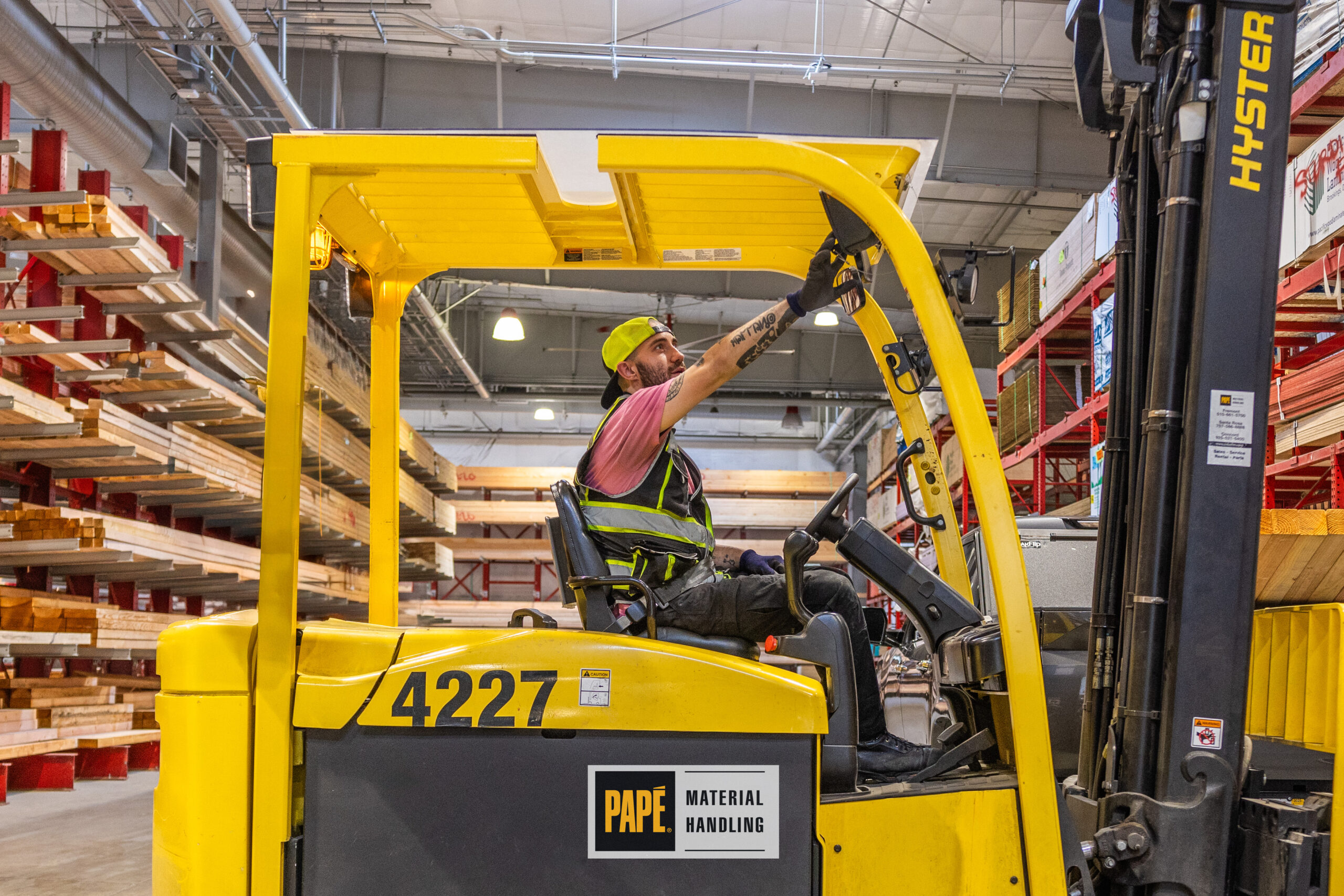
Operators should begin each shift with a full equipment check of:
- Brake responsiveness
- Hydraulic fluid levels and hose conditions
- Wear or damage to tires
- Load capacity matches the nameplate rating
- Safety features (horns, lights, mirrors, seat belts) are fully operational
Operational Safety Protocols
Safe operation starts with consistent habits:
- Ensure loads are stable, balanced, and properly positioned
- Adjust speed based on traffic, layout, and conditions
- Stay alert to pedestrians and use horns at intersections
- Travel in reverse or use a spotter when visibility is limited
Post-Operation Procedures:
At the end of each shift:
- Park forklifts in designated areas away from pedestrian traffic
- Loads must be lowered, and controls secured
- Document and report any damage or mechanical issues
- Update maintenance logs
A strong checklist helps operators stay consistent and gives managers visibility into fleet condition and risk.
Industry Statistics on Forklift Incidents & Financial Impact
Forklift operators make up roughly 5% of the U.S. workforce, yet account for a disproportionately high number of serious workplace injuries. Common incidents include tip-overs, struck-by accidents, and falling loads.*
A single forklift-related injury can cost between $30,000 and $50,000 in direct expenses (medical treatment, rehabilitation, and lost wages. But when you factor in downtime, damaged inventory, and lost productivity, the true cost is often much higher.
Warehousing and logistics operations see the highest concentration of incidents, especially as throughput demands increase. As e-commerce demand grows, so does the pressure on forklift operations, making safety even more critical.
Organizations that invest in structured safety programs consistently outperform those with minimal training. Reduced incident rates translate to improved productivity and stronger operational performance. The return on investment for forklift safety is both measurable and substantial for the whole operation.
Best Practices for OSHA Forklift Compliance
Achieving forklift compliance requires more than meeting minimum standards, it requires a proactive, structured approach.
- Comprehensive Training Programs: Combine classroom and hands-on training tailored to your equipment and facility.
- Culture of Accountability: Set clear expectations and recognize safe performance.
- Continuous Improvement: Conduct regular safety audits and encourage near-miss reporting. Use this data to identify trends, address root causes, and refine your processes.
- Technology Integration: Use telematics, proximity alerts, and speed controls to reduce risk and get insights into operator performance.
- Clear Communication & Signage: Use floor markings, signage, and posted guidelines to reinforce safe practices.
Navigating Common OSHA Citations & How to Avoid Them
The most common OSHA violations related to forklifts include:
- Missing or incomplete training records
- Failure to perform daily inspections
- Inoperative safety devices
- Uncertified operators using equipment
During inspections, OSHA often looks for gaps in documentation, visible equipment defects, and lack of hazard assessments. Penalties for serious violations can exceed $10,000 per incident, with higher fines for repeated violations.
The best way to avoid citations is to build repeatable systems—clear processes, consistent documentation, and regular oversight.
Safety Awareness Month: Leveraging June for Year-Round Impact
National Safety Awareness Month in June provides an opportunity to reinforce forklift safety across your organization. It’s a chance to evaluate current practices, refresh training, and engage employees in meaningful ways.
Organizations can schedule training sessions, conduct certification programs, and introduce equipment-specific instruction. Safety committees and recognition programs help build engagement and reinforce accountability.
Organizations that invest in structured safety initiatives can reduce incident rates by up to 20%*. The key is maintaining that momentum throughout the year with ongoing training, audits, and communication.
Common Challenges in Forklift Safety Implementation
Many operations face similar challenges:
- Balancing productivity with safety expectations
- Overcoming operator complacency
- Maintaining consistency across multiple locations
- Managing seasonal or temporary labor
While training and inspections require time, they ultimately reduce downtime and improve efficiency in the long run.
Building a Safe, Efficient Warehouse
Forklift safety and OSHA compliance are built on three core pillars: operator training, equipment maintenance, and thorough documentation. By implementing these best practices, operations can strengthen forklift safety while improving efficiency and reliability.
Papé Material Handling offers expert support to help you navigate OSHA forklift requirements, improve compliance, and build a safer, more efficient workplace. Reach out to your nearest Papé location to learn more about safety solutions, training programs, and equipment designed to keep your operation moving forward.
Sources
Citation: U.S. Occupational Safety and Health Administration (OSHA) – Powered Industrial Trucks eTools
Citation: U.S. Bureau of Labor Statistics (BLS) – Nonfatal Occupational Injuries and Illnesses
Citation: OSHA Safety and Health Topics – Workplace Safety Culture