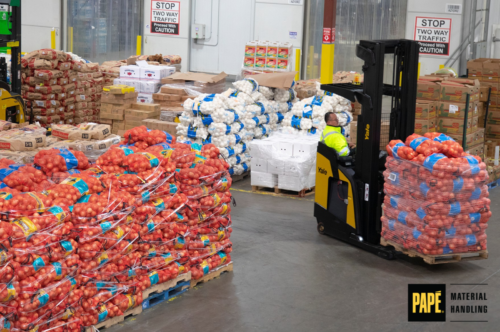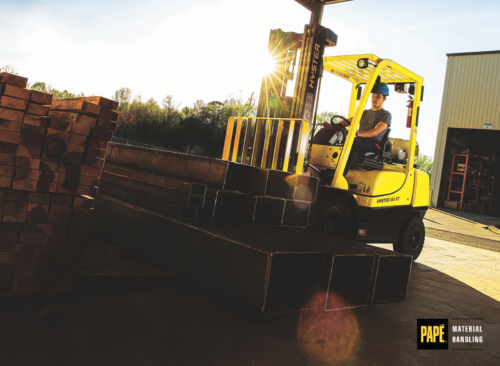
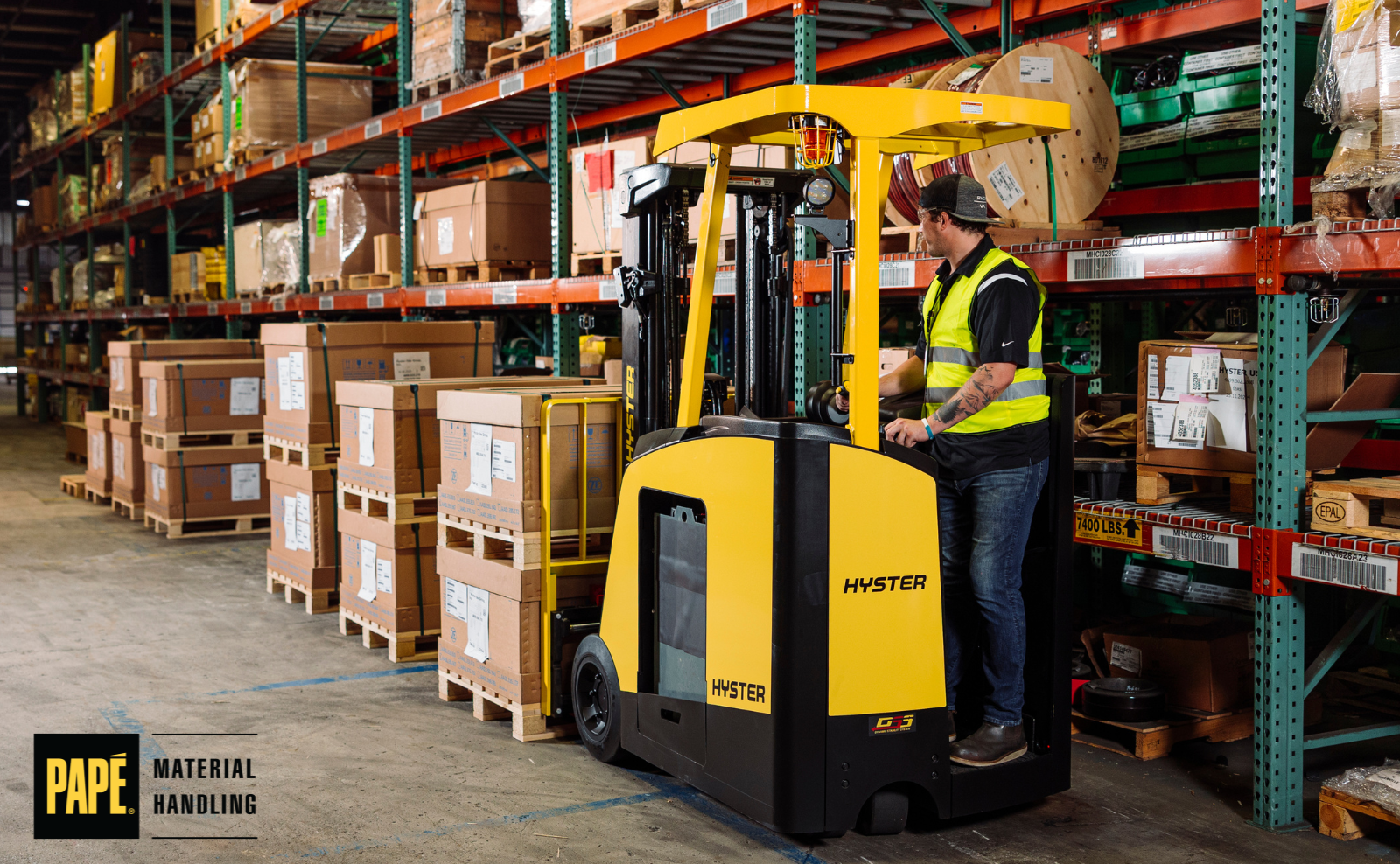
Fall often brings higher order volumes, additional shifts, and tighter schedules for warehouses and distribution centers. That added demand can expose fleet challenges, from aging batteries and overdue maintenance to equipment and capacity gaps.
Preparing before peak season gives teams time to assess equipment, complete preventive maintenance, review charging needs, and address potential problems before workloads increase.
Know What Your Fleet Will Be Asked to Do
Review expected operating hours, shift patterns, load weights, travel distances, aisle conditions, and equipment utilization. Pay particular attention to trucks already operating at high utilization, equipment with recurring maintenance needs, and applications where demand is expected to increase.
The goal isn’t necessarily to add more forklifts. It’s to make sure the fleet is properly sized and each truck is matched to its application. Hyster and Yale have a wide variety of products, which include electric forklifts, internal combustion trucks, reach trucks, narrow aisle trucks, and high capacity trucks.
Handle Preventive Maintenance Before Demand Rises
Preventive maintenance is easier to schedule while there is still flexibility in the fleet. Once peak season begins, taking a truck out of service for an unexpected repair can be much more disruptive.
Before fall arrives, inspect forks, chains, tires, brakes, hydraulics, safety systems, and other wear items. Electric trucks should also be checked for battery and charger condition, while internal combustion trucks should be reviewed for scheduled service, fluids, filters, and other manufacturer-recommended maintenance.
Make Sure Your Power Strategy Can Keep Up
For electric fleets, higher utilization can also mean greater charging demands. Review battery condition, charger capacity, charging locations, and shift schedules before operating hours increase. The goal is to make sure equipment has enough charging opportunities to support the expected workload.
Battery monitoring and telemetry solutions can provide additional visibility into battery status and equipment utilization, helping teams identify potential power constraints before they interrupt a shift.
Use Fleet Data to Find Problems Before Peak Season Finds Them
Fleet data can help managers understand how equipment is actually being used before peak demand begins. Fleet management solutions can provide visibility into utilization, operating hours, impacts, fault codes, maintenance needs, and other equipment trends.
Review this information for trucks with unusually high utilization, underused equipment, recurring faults, or increasing maintenance needs. These patterns can help identify where equipment should be reassigned, serviced, replaced, or supplemented before workloads increase. Tools such as Hyster Tracker and Yale Vision can help provide this fleet-level visibility.
Fill Temporary Capacity Gaps Without Overbuilding the Fleet
Not all demand surges require organizations to increase fleet size permanently. When extra capacity is required temporarily due to seasonality, equipment rentals offer flexibility without making a long-term investment.
A warehouse may need additional reach trucks to support increased rack activity, more electric forklifts for added shifts, or pneumatic-tire trucks for increased outdoor material handling. Identifying those needs early gives teams more time to secure the right equipment before peak demand arrives.
Prepare the Operators Along with the Equipment
Peak season readiness also depends on operator preparation. Before workloads intensify, reinforce daily inspections, operator checklists, and equipment reporting procedures. Operators should know what to inspect and how to report minor issues early, giving maintenance teams more time to address issues before they affect equipment availability.
Keeping operators and maintenance teams communicating throughout peak season can help identify problems early and keep equipment available when it’s needed most.
Start Preparing Before Peak Demand Arrives
The best time to address maintenance, capacity, or charging concerns is before peak demand puts additional strain on the fleet. Review expected utilization, complete preventive maintenance, evaluate battery and charging needs, and use fleet data to identify potential problems. If additional capacity is needed, plan for supplemental equipment before the surge begins.
A little preparation can provide more flexibility when workloads increase and help keep equipment available throughout the busiest months.
Papé Material Handling supports Hyster-Yale fleets with equipment, maintenance, parts, service, fleet management, and rentals. Contact your local Papé Material Handling for service or equipment rental.