OSHA Safe & Sound Week, August 10–16, 2026, gives employers an opportunity to recognize safety achievements and strengthen the programs that protect employees every day. For warehouses, distribution centers, and manufacturing facilities, that means building a workplace where leadership, employee involvement, and hazard prevention work together.
OSHA organizes effective safety and health programs around three core factors:
- Management leadership
- Worker participation
- Finding and fixing workplace hazards
Together, these principles help create safer, more productive workplaces long after Safe + Sound Week ends.
Why Safe & Sound Week Matters in Material Handling
Material handling facilities are fast-paced environments where powered trucks, pedestrians, storage systems, loading areas, and moving inventory share space. Tight schedules, changing workloads, and constant equipment movement create daily safety challenges. A strong workplace safety program helps teams identify and manage risks before they lead to injury, equipment damage, or unexpected downtime. A proactive approach also supports:
- More consistent operations
- Reduced equipment damage and unplanned downtime
- Better communication between employees and supervisors
- Stronger operator accountability
- Improved productivity
Management Leadership: Make Safety a Visible Priority
Employees notice what leaders prioritize. When managers take part in facility walkthroughs, discuss hazards openly, and follow the same rules expected of everyone else, safety becomes part of the operation rather than a box to check.
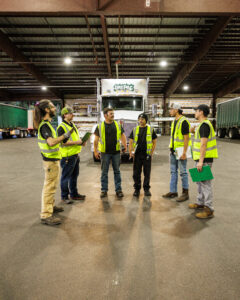
OSHA encourages employers to make safety a core organizational value by committing resources, supporting continuous improvement, and communicating expectations clearly. In a warehouse or industrial facility, leadership can demonstrate that commitment by:
- Participating in safety meetings
- Budgeting time and funding for operator training
- Keeping preventive maintenance and equipment inspections on schedule
- Assigning responsibility for resolving reported hazards
- Including safety performance in planning discussions
Supervisors also need to model the behaviors expected of the team. That includes using designated pedestrian routes, wearing required personal protective equipment, and following safe work procedures when deadlines are tight. For Safe & Sound Week, choose one visible leadership commitment. Complete a management safety walk, review overdue corrective actions, or meet directly with operators to discuss the conditions they encounter.
Worker Participation: Listen to the People Closest to the Work
Forklift operators, technicians, pickers, loaders, and other frontline employees often recognize developing hazards before those issues appear in formal reports. Worker participation brings that knowledge into the process of evaluating and improving workplace safety efforts.
Reporting channels should be simple, accessible, and supported by a culture that welcomes employee input. Encourage workers to report concerns such as:
- Near misses or recurring equipment damage
- Blind intersections and congested aisles
- Unstable loads or damaged pallets
- Poor lighting and obstructed sightlines
- Worn tires, forks, chains, or attachments
- Damaged racking, barriers, or floor markings
Employee involvement can also include safety committees, pre-shift meetings, equipment evaluations, facility layout discussions, and incident reviews.
Close the feedback loop after a concern is raised. Tell employees what was found, what action is planned, who is responsible, and when the work should be completed. During Safe & Sound Week, invite each team to identify one improvement or host an employee-led hazard discussion.
Find and Fix Workplace Hazards Before They Cause Downtime
The third core element focuses on identifying hazards, prioritizing risks, assigning corrective actions, and verifying that problems have been resolved. Review the operation from four perspectives:
- Equipment: Are lift trucks, batteries, and attachments inspected and maintained?
- Environment: Are aisles, docks, intersections, and pedestrian areas clearly organized?
- People: Are operators trained, authorized, and following established procedures?
- Processes: Are loads handled, stacked, charged, and transported safely?
Common material handling hazards include forklift and pedestrian interaction, excessive travel speeds, blocked visibility, unstable pallets, damaged storage systems, battery-charging risks, and deferred maintenance. Each identified hazard should be documented, assigned to an owner, given a completion date, and reviewed after correction.
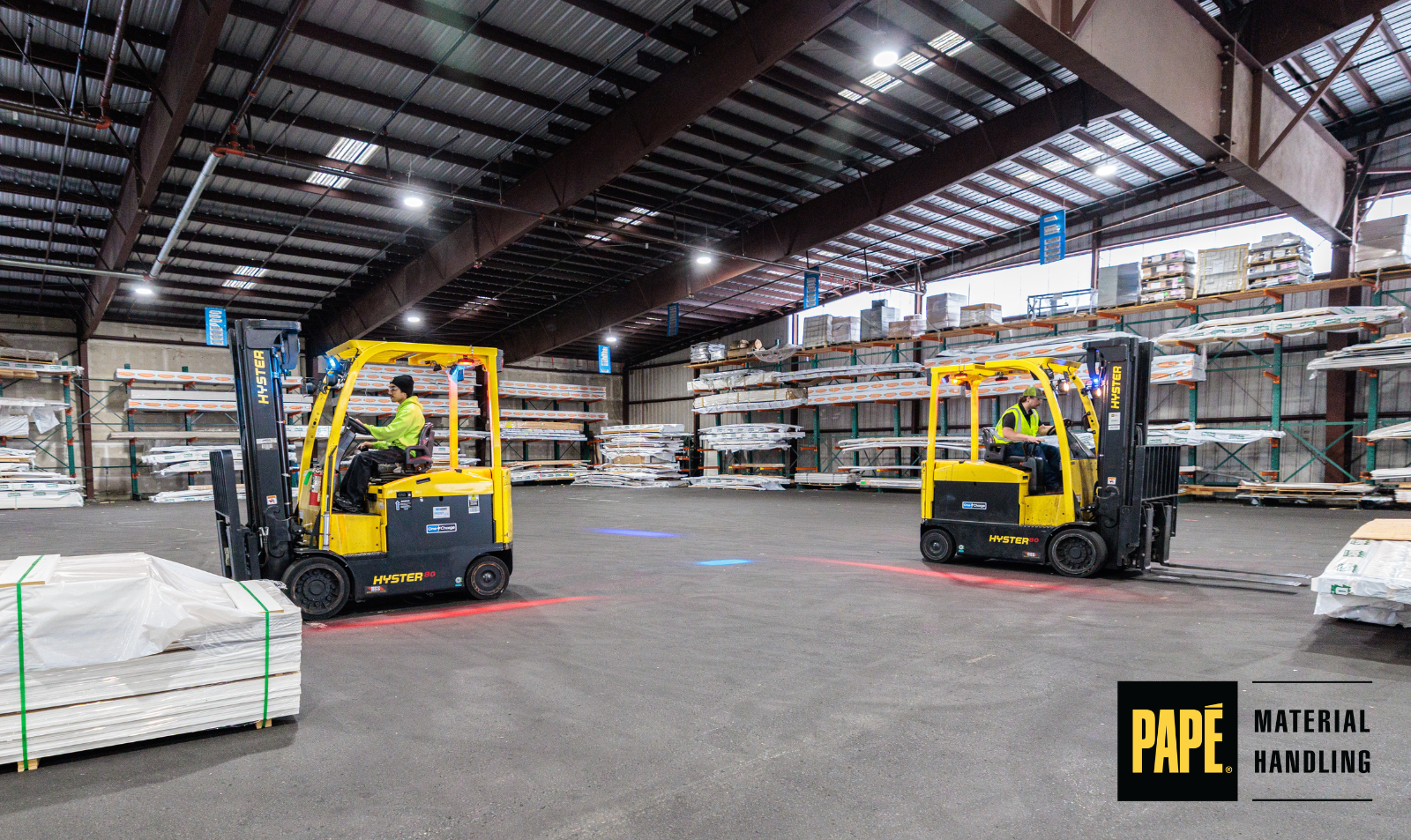
Routine forklift inspections, preventive maintenance, signage, floor markings, proximity alerts, speed controls, and warehouse-layout planning can all support this process. Fleet-management and telemetry tools provide additional insight into equipment usage, impacts, maintenance needs, and operating trends. Better visibility can guide decisions that promote safety, control costs, and improve accountability.
Turn Safe & Sound Week Into Year-Round Progress
A focused plan can create momentum without overwhelming the team. Consider this plan:
- Day 1: Leadership shares a specific safety commitment
- Day 2: Employees identify hazards and near-miss concerns
- Day 3: Teams complete a facility and equipment walkthrough
- Day 4: Managers assign corrective actions and due dates
- Day 5: Recognize participation and communicate next steps
Keep Safety and Your Operation Moving
Strong workplace safety programs depend on engaged leaders, involved employees, and a consistent process for identifying and correcting hazards. Safe & Sound Week is a great opportunity to reinforce those habits and strengthen them throughout the year.
At Papé Material Handling, we help businesses support safer, more efficient operations with equipment support, preventive maintenance, fleet management technology, operator-assist systems, and warehouse planning solutions. Whether you’re operating a single facility or managing multiple locations, our team is here to help keep your people, equipment, and operation moving.